
Why Am I Waiting For Someone Else ToTell Me I’m Enough?
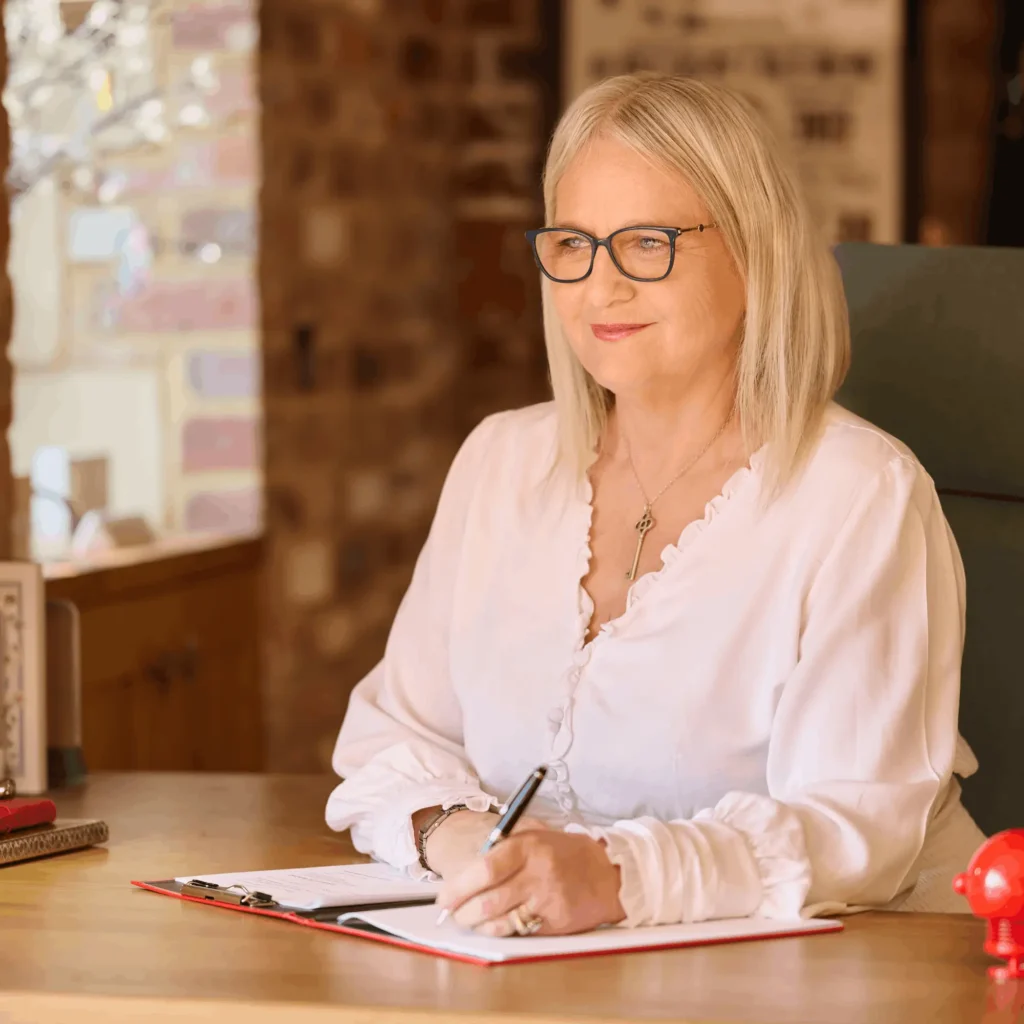
One of the saddest things I see in coaching is how many people are waiting. Waiting for somebody else to tell them they’re good enough. A parent.A partner.A boss.A friend.A child.A teacher.Sometimes somebody who isn’t even in their life anymore. The person may be fifty, sixty or seventy years old. They may have built a […]
Why Do I Doubt Myself So Much?
Self-doubt is often less about decision-making ability and more about a lack of trust in one’s own judgement. Many capable people over-consult others, seeking reassurance or permission, which leads to confusion rather than clarity. Rebuilding self-trust comes from making decisions, learning from outcomes, and gradually learning to rely on your own voice again.
What Is Self-Value And Why Does ItMatter?
Self-value is different from confidence—it’s about whether you believe you matter, not just what you can do. Many people struggle with it because they focus more on their flaws than their strengths, even when they are successful. Rebuilding self-value means learning to see yourself more clearly, with balance rather than self-criticism.
Why Do I Feel So Stuck In Life?
One of the biggest myths about feeling stuck is that it only happens to people who are
unhappy.
It doesn’t.
Some of the most stuck people I’ve ever met have successful careers.
Good relationships.
Supportive families.
Comfortable homes.
Plenty to be grateful for.
And yet something inside them quietly whispers:
“There has to be more than this.”
Not more money.
Not more success.
Not more possessions.
Just more of themselves.
More meaning.
More purpose.
More alignment.
More life.
If you’ve ever felt like that, you’re not alone.
Because feeling stuck is part of being human.
In This Article You’ll Discover
Why capable people often feel stuck
The different forms stuckness can take
Why insight and action are different things
What I’ve learned from my own periods of stuckness
How coaching can help you move forward
I’ve Been Stuck Too
People sometimes assume that because I’m a coach, I must have everything worked out.
I don’t.
I’m human.
I’ve experienced stuckness in many different forms throughout my life.
I’ve been stuck in marriages that had run their course.
I’ve been stuck in careers that no longer reflected who I was becoming.
I’ve been stuck when one of my children faced significant health challenges.
I’ve been stuck more recently when my husband’s health became uncertain and life suddenly
felt less predictable.
I’ve been stuck whilst making major life decisions that carried consequences for the people I
love.
I’ve been stuck during periods of transition when the life I was leaving behind no longer
fitted, but the future wasn’t yet clear.
The details have varied.
The feeling has been remarkably similar.
That sense of standing at a crossroads without a map.
Knowing something needs to change but not being entirely sure what.
The Different Faces Of Stuck
People often arrive in coaching believing they have one problem.
Usually they don’t.
Stuckness comes in many forms.
Sometimes you’re stuck in a situation.
A relationship.
A career.
A decision.
Sometimes you’re stuck emotionally.
Grief.
Fear.
Anger.
Disappointment.
Sometimes you’re stuck between who you were and who you’re becoming.
And that can be one of the most uncomfortable places of all.
Because the old version of your life no longer fits.
But the new version hasn’t fully appeared yet.
Why Smart People Stay Stuck
This might surprise you.
The people I work with are rarely lacking information.
They’ve read the books.
Listened to the podcasts.
Attended the courses.
Talked to friends.
Gone for walks.
Joined the gym.
Started yoga.
Bought journals.
Created plans.
Made lists.
They know a great deal.
The problem isn’t usually knowledge.
The problem is clarity.
They are too close to the situation.
They are inside the picture trying to read the label on the frame.
And that is incredibly difficult to do on your own.
Even Coaches Need Coaches
Over the years I’ve invested heavily in my own personal development.
I’ve trained in coaching.
NLP.
Hypnotherapy.
PASEDA360.
Positive Psychology.
And many other approaches.
I have a lot of tools available to me.
Most of the time they help.
But occasionally I get stuck too.
And when I do, I work with my own coach.
Not because I’m incapable.
Not because I’m broken.
Because I’m human.
Sometimes we all need somebody outside the situation to help us see what we can no longer
see for ourselves.
The strongest people I know are often the ones most willing to ask for support when they
need it.
What Coaching Really Does
One of the biggest misconceptions about coaching is that it provides answers.
In my experience, good coaching does something much more valuable.
It helps people reconnect with themselves.
It creates space to think.
Space to breathe.
Space to untangle.
Space to explore.
Together we start looking at questions such as:
How did I get here?
What beliefs am I carrying?
What assumptions am I making?
What still serves me?
What no longer serves me?
What do I want now?
Not five years ago.
Not ten years ago.
Now.
Because the person you are today deserves a voice in the decisions you make next.
Why Stop Being Stuck® Resonates With
Me
Over the years I’ve noticed something.
Most people already have more answers than they realise.
They simply struggle to access them when they are overwhelmed, exhausted, emotional or
confused.
That is one of the reasons the Stop Being Stuck® programme, developed by PASEDA360
founder Angela Cox, resonated so strongly with me when I first experienced it.
The programme isn’t about fixing people.
People are not broken.
It’s about helping people understand who they are today, what has shaped them, what
continues to serve them and what they may be ready to leave behind.
As a PASEDA360 Advanced Practitioner, I use the Stop Being Stuck® methodology with
individual clients and, with Angela’s encouragement and support, have adapted elements of
the approach for couples coaching.
What I love most about the process is that it doesn’t tell people what to do.
Instead, it helps them reconnect with their own wisdom, values and choices.
Because when people see themselves more clearly, they tend to make better decisions about
what comes next.
What Becoming Unstuck Often Looks Like
It rarely arrives as a lightning bolt.
More often it arrives quietly.
A conversation.
A realisation.
A shift in perspective.
A boundary.
A decision.
A new understanding.
A sense of peace where there was previously confusion.
And gradually, what once felt impossible begins to feel manageable.
The path forward becomes visible.
Not because life suddenly became easy.
Because you became clearer.
Common Questions About Feeling Stuck
Is it normal to feel stuck even when life looks good from the outside?
Absolutely. External success and internal fulfilment are not always the same thing.
Why can’t I just work this out myself?
Sometimes you can. Sometimes you’re simply too close to the situation to see it clearly.
Does feeling stuck mean something is wrong with me?
No. It usually means something in your life is asking for attention, understanding or change.
Can coaching really help?
Coaching won’t live your life for you, but it can help you see your situation more clearly and
move forward with greater confidence.
Real-Life Situations
People often arrive at this article because:
I feel stuck in life.
I don’t know what I want anymore.
I feel lost.
I’m at a crossroads.
I need to make a decision.
Something feels missing.
I feel trapped.
I know things need to change but I don’t know where to start.
If any of those sound familiar, perhaps the problem isn’t that you’re failing.
Perhaps you’re simply in a period of transition.
And transitions can feel messy before they make sense.
Related Articles
Why Is It So Hard To Feel Truly Loved?
Why Do I Doubt Myself So Much?
What Is Self-Value And Why Does It Matter?
What Does A Relationship Coach Actually Do?
A Final Thought
Looking back on my own life, every period of stuckness has eventually taught me something.
Not always immediately.
Sometimes only in hindsight.
But each one helped shape the person I am today.
If you’re feeling stuck right now, try not to see it as proof that you’ve failed.
Perhaps it is simply a sign that the version of you that got this far is not the version needed
for what comes next.
And perhaps the task is not to become someone new.
Perhaps the task is to rediscover who you are today, understand how you got here, decide
what still serves you, and give yourself permission to move forward.
Why Do I Always End Up In Conflict?
The Persecutor of Others Mask is a protective behaviour where frustration, criticism, or defensiveness toward others often hides deeper feelings like hurt, fear, or vulnerability. While it can feel like a way to stay in control or avoid being let down, it can unintentionally create distance in relationships and make connection harder.
Why Am I So Hard On Myself?
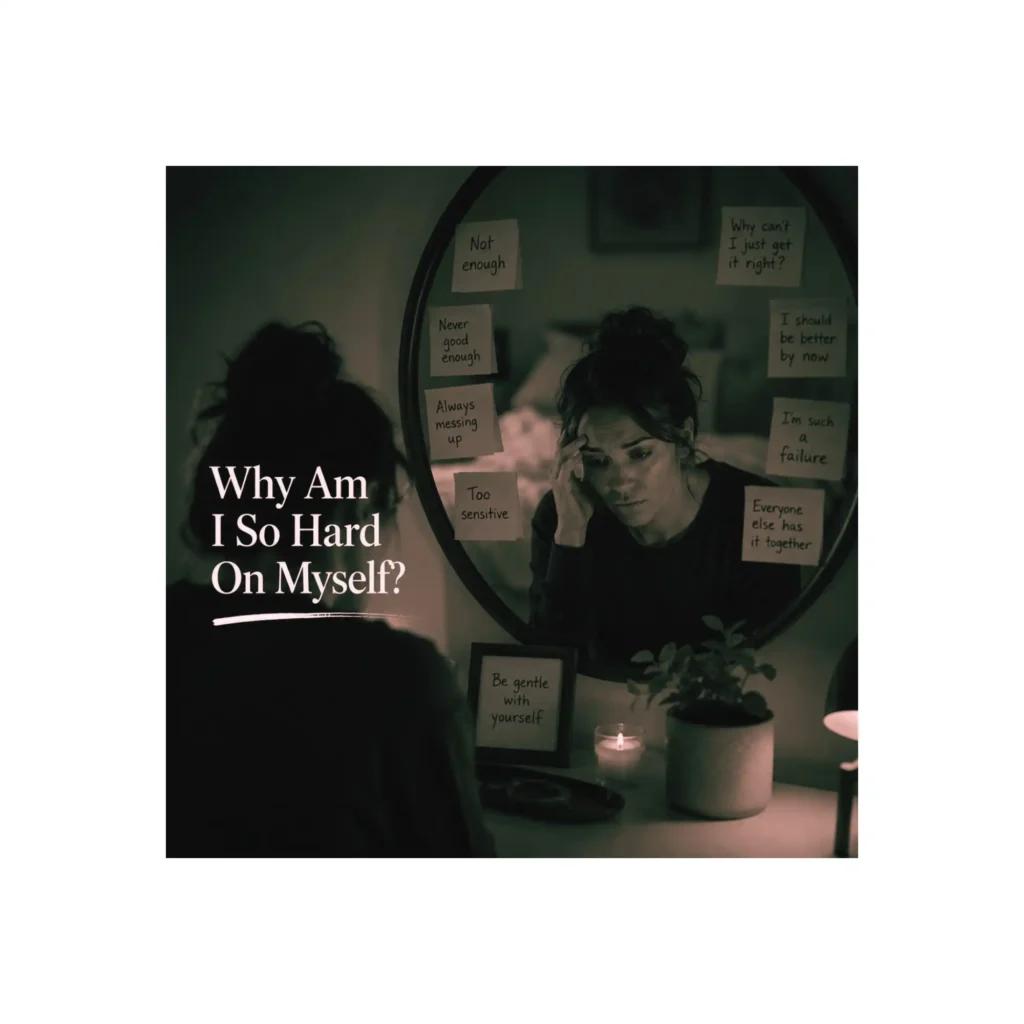
Would you speak to a friend the way you speak to yourself? It’s a simple question. But for many people, the answer is no. They would never call a friend a failure. Never tell a friend they aren’t good enough. Never focus exclusively on their mistakes. Yet somehow, when it comes to themselves, the rules […]
Why Do I Feel Like Nothing I Do Is Ever Good Enough?
The Perfectionist Mask is a protective behaviour driven by a fear of criticism, failure, or not being enough. While high standards can lead to success, tying self-worth to achievement often creates stress, burnout, and a constant feeling that nothing is ever good enough. Learning the difference between excellence and perfection can help create a healthier, more balanced mindset.
Why Do I Keep People Pleasing?
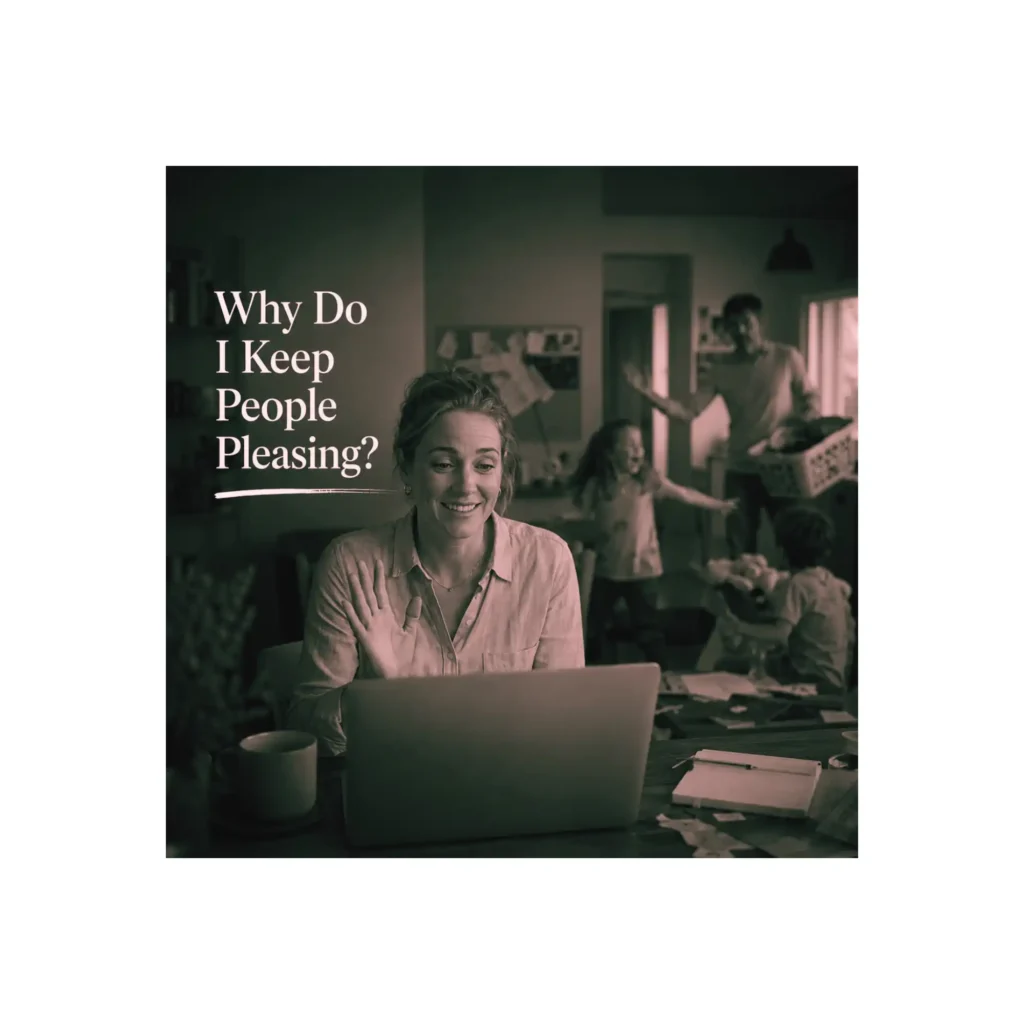
Do you find yourself saying yes when you really want to say no? Do you worry about disappointing people, put other people’s needs ahead of your own, or feel responsible for keeping everyone happy? If so, you’re not alone. Within the PASEDA360 Pretender Model, this pattern is described as the People Pleaser Mask. The Pretender […]
Why Is It So Hard To Feel Truly Loved?
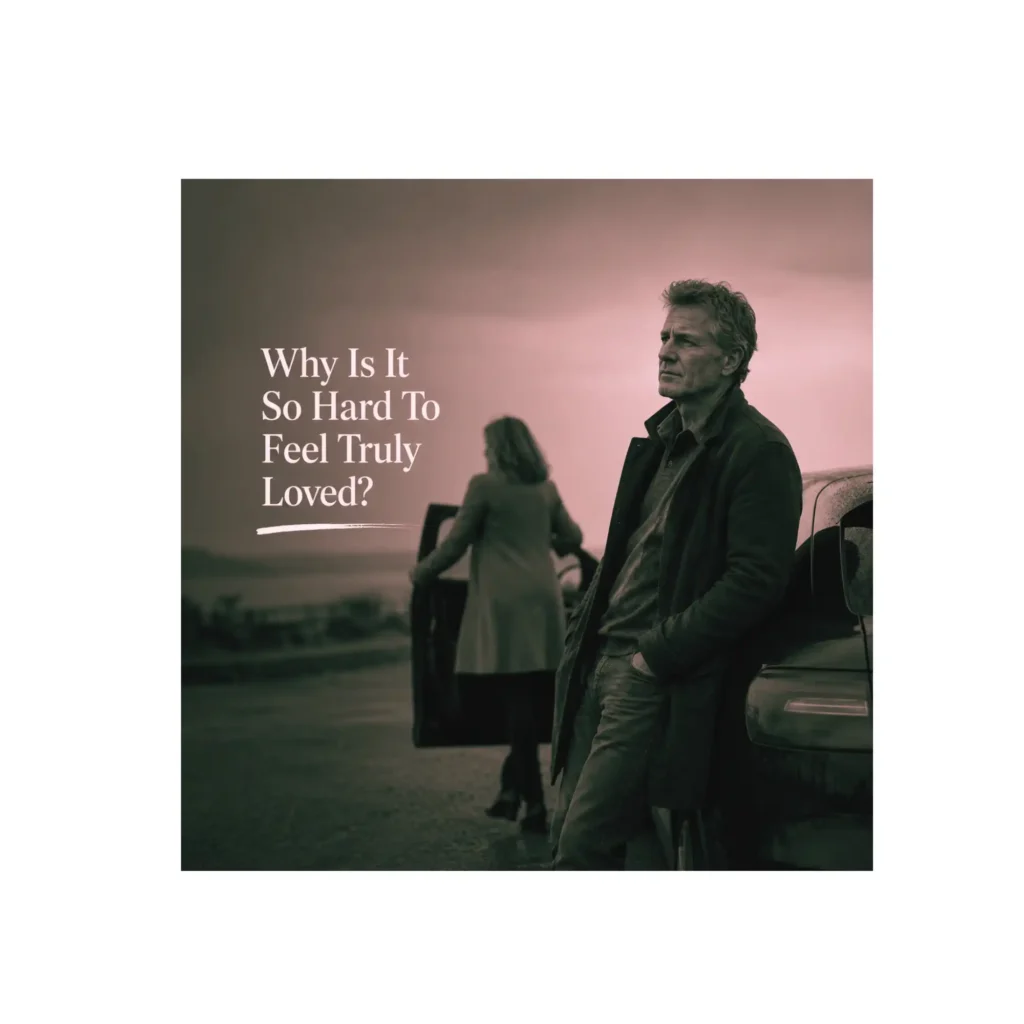
One of the saddest things I see in coaching is people being deeply loved and not feeling it. Their partner tells them. Their children tell them. Their friends tell them. Sometimes their actions demonstrate it every single day. Yet somehow it never quite lands. The words arrive. The feeling doesn’t. And if that sounds familiar, […]